Teaching You Can Revisit
Each live session begins with a focused teaching or demonstration. That portion is recorded and added to the member resource library so you can return to the learning between sessions.

MISSION POSSIBLE
RECOVERY AND REBUILDING
Mission Possible brings practical, trauma-informed education, guided reflection, accountability and community support together to help people build greater stability, strengthen relationships, make informed choices and create a life that can support continued growth.
This is recovery support for the real world. The work happens in daily routines, difficult conversations, financial decisions, changing relationships, quiet evenings, unexpected triggers and the repeated choices that gradually become a life.
Whether you are working on your own recovery, supporting someone you love or rebuilding after grief and significant change, Mission Possible offers a place to learn, practice, connect and keep building.

Recovery becomes part of the way you live.
Meaningful change is supported by more than intention. It is strengthened through the structure of everyday life: sleep, stress, access, money, relationships, boundaries, routines, belonging, purpose and the choices made when no one else is watching.
You may already be making meaningful progress and still be learning how to use your time differently, rebuild trust, manage difficult emotions, respond to triggers, repair financial or relational consequences, reconnect with your body, experience healthy pleasure or decide who you want to become next.
The people who love you may also be trying to understand how to offer support without assuming responsibility for choices that are not theirs. Grief may exist alongside hope. Relief may exist alongside uncertainty. Progress may be real even when every part of life has not caught up yet.
Mission Possible makes room for that larger reality.
Mission Possible supports people working on recovery and those learning how to support someone they love. That work often includes navigating grief, loss and significant change.

Some are working to change a relationship with alcohol, other substances, pornography, compulsive sexual behavior, gambling, social media, gaming or another repetitive pattern affecting daily life.
Some are learning how to love and support another person without losing their own stability, identity or ability to make clear decisions.
Recovery can bring grief into focus: the loss of relationships, time, health, familiar routines or a future you expected. Bereavement and other significant life changes may also shape the recovery experience. Mission Possible makes room for that grief as part of understanding your experience and building what comes next.
Each experience deserves to be understood on its own terms.
What people often share is the work that comes next.
Recovery and rebuilding may require greater self-awareness, emotional regulation, honest accountability, stronger boundaries, safer relationships, supportive routines, restored trust, meaningful connection and a renewed sense of identity and purpose.
Mission Possible brings those shared tools, lessons and resources into one guided community. Members are invited to learn from one another with curiosity and respect for the differences in their experiences. Each person participates from their own perspective, with room for their own story, choices and goals.
Explore the Mission Possible CommunitySustainable change grows through useful information, practical tools, honest reflection, repeated practice, meaningful accountability and relationships that make continued growth possible.

Mission Possible takes a trauma-informed approach to understanding the experiences, patterns and circumstances that influence recovery. Members are supported in exploring what has happened, what may be keeping them stuck, what needs attention or repair and what they can build to support a different future.
You can acknowledge what happened, understand what influenced it and take responsibility for your own choices while being treated with dignity. From that understanding, you can take meaningful action toward the life and relationships you want to create.
Mission Possible welcomes multiple responsible recovery pathways. Members may also participate in therapy, medical care, treatment, recovery fellowships, spiritual communities, coaching, peer support or other appropriate resources.
Mission Possible helps you carry what you are learning into the routines, relationships, decisions and daily practices that gradually become your life.
Understand What Is Happening. Strengthen What Supports You. Build What Comes Next.
A self-paced, twenty-six-week learning journey supported by the Mission Possible Community.
The program brings the larger work of recovery and rebuilding into a clear sequence. Members begin by developing honest awareness of what is happening, what has shaped their responses and what they want to change. From there, they strengthen the emotional, relational and practical skills needed to make different choices and build a life that can support them.
People enter Mission Possible with different histories, challenges and goals. Each lesson helps members apply the shared tools to the life they are actually living.
Life After Change includes 26 standalone lessons, private exercises and a closing 30-day planning practice.
Seeking documentation for a DMV, court or employment rehabilitation requirement? Contact the Institute about the separate professional program and confirm the requesting organization’s requirements before choosing a course.
The six-month structure gives you room to practice, reflect, make adjustments and return to important lessons as your circumstances and understanding change. It is an opportunity to turn what you are learning into the way you live.
Six Stages. Twenty-Six Weeks. A Life Built to Hold the Change.
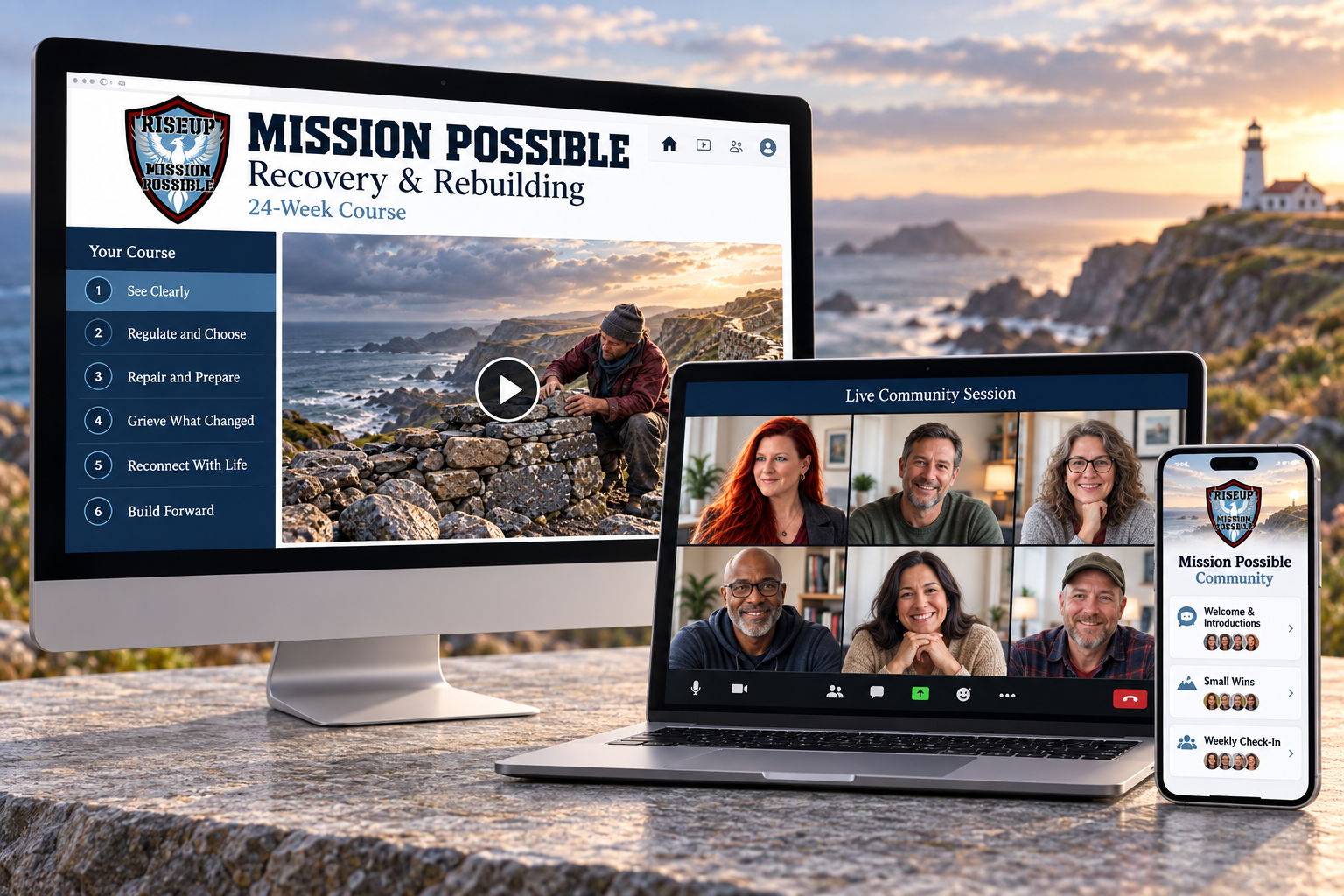
Mission Possible moves through six modules across 26 weeks. Each stage builds knowledge, skills and practical structure that members can apply to their own circumstances.
The sequence provides direction while allowing room for the changing realities of recovery and rebuilding. Members may return to earlier lessons as new situations, insights and challenges emerge.
Clarify your goals, examine patterns and consequences, identify existing support and begin separating honest responsibility from shame.
Understand internal and external triggers, nervous-system responses, urges, access, routines and decision points. Practice strategies that create more space between what you feel and what you do next.
Strengthen communication, boundaries, trust and accountability. Prepare for high-risk situations, setbacks and recurrence while identifying the safeguards and additional support you may need.
Make honest room for death and non-death loss, lost time, changed relationships, disrupted identity, regret, anger, sadness and the future you expected to have.
Explore values, self-respect, belonging, purpose, healthy pleasure, intimacy and meaningful connection. Begin developing an identity that is larger than the pattern, crisis or loss that brought you here.
Create sustainable practices, recognize warning signs, strengthen your support map and develop practical response plans for the life you are continuing to build.
The goal is to leave with greater awareness, stronger skills and a structure you can continue using long after the course is complete.
Information can help you understand what is happening. Community gives you somewhere to practice what you are learning when life becomes complicated again.
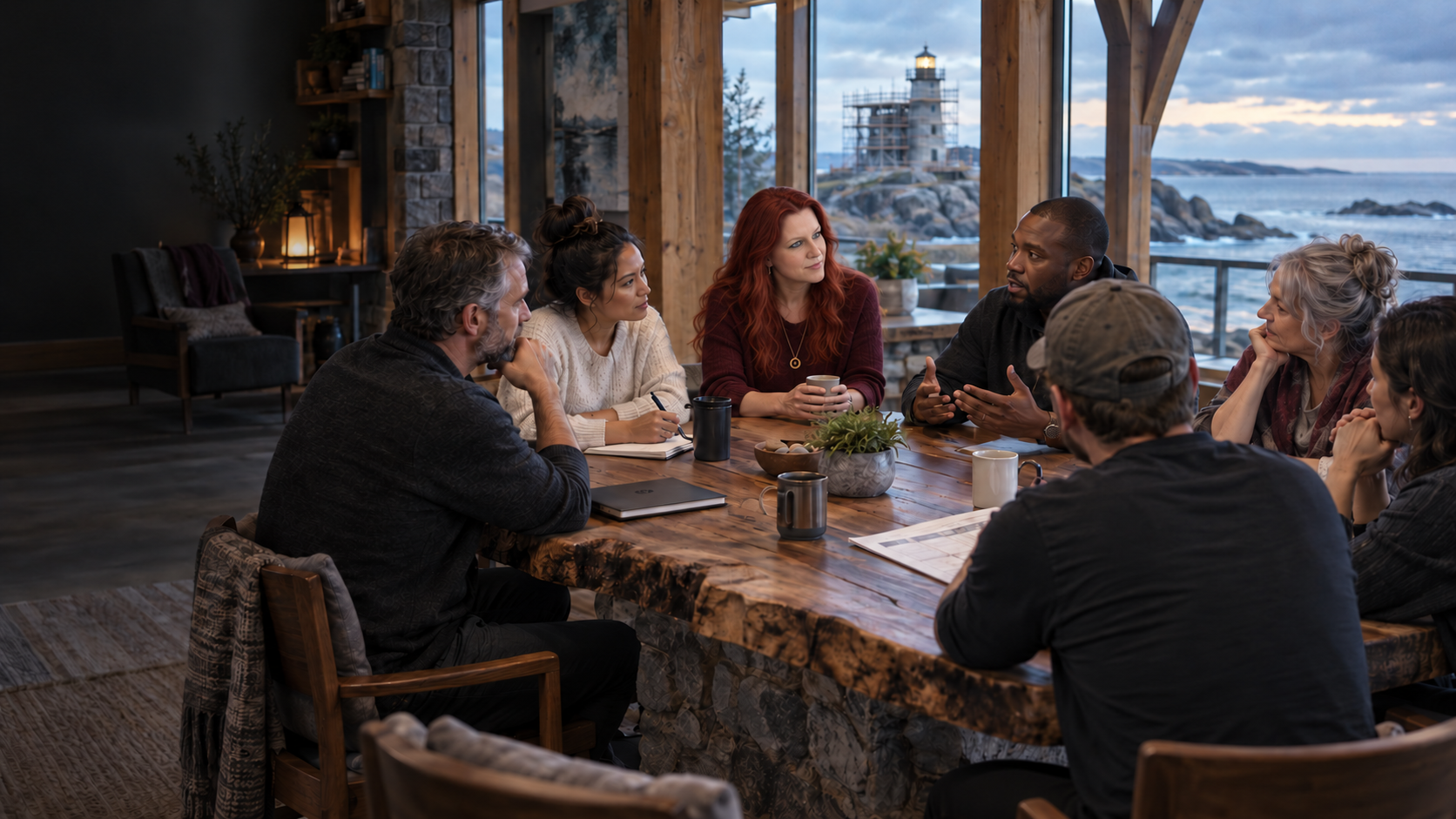
The Mission Possible Community brings practical teaching, honest conversation, questions and real-world application into one shared space for people working on recovery and those supporting someone they love.
That work includes navigating the grief, loss and significant changes that can accompany recovery, with room for different experiences, goals and perspectives.
Each live session begins with a focused teaching or demonstration. That portion is recorded and added to the member resource library so you can return to the learning between sessions.
Recording stops before personal sharing, facilitated discussion or member questions begin. Members are clearly told when recording starts and when it has ended. This portion creates room to ask questions, talk through challenges and practice new responses. Personal disclosure is always voluntary.
Members bring their own histories and recovery goals, speak from their own experience and respect one another’s choices and autonomy.
Between live sessions, members can continue learning through community conversations, practical prompts, recorded teaching segments and the growing resource library.
This is a place to return, practice, reconnect and keep building.
Mission Possible offers several ways to participate. You can join the community, complete the course independently or add private support for more individualized guidance and accountability.
$970 per year
Renews automatically each year.
The strongest overall value for members who want the complete course and a full year of community support.
12 × $97
Monthly payments. $1,164 total.
Twelve-month commitment.
Begin with monthly payments while receiving the complete course and community experience.
Course and community access remain active while payments remain current. All twelve payments are required.
Begin the Twelve-Month Membership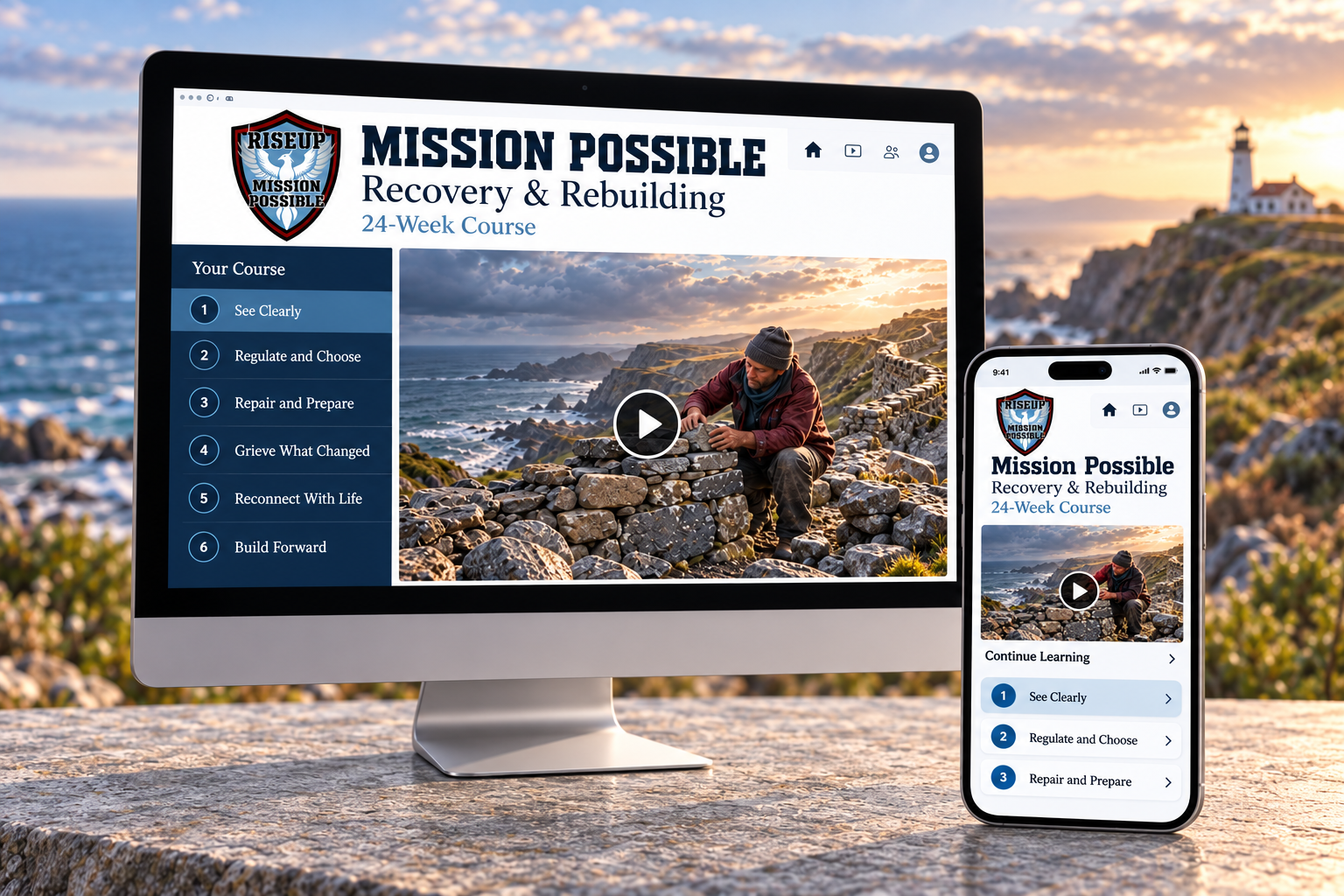
COMPLETE THE COURSE INDEPENDENTLY
$497
Complete the twenty-six-week recovery and rebuilding experience at your own pace.
Course only. Community membership and live sessions are not included.
Explore Life After Change · $497
ADD PRIVATE SUPPORT
Six Months of Course, Community and Private Support
For people who want the complete Mission Possible experience with private space to apply the work to their own life, circumstances and goals.
$1,997 paid in full
Or six monthly payments of $347
$2,082 total on the payment plan. All six payments are required.
Enrollment is limited to ten active Personal Rebuild clients at a time.
Begin Personal RebuildRISEUP Phoenix is committed to making meaningful support more accessible when full tuition creates a genuine barrier. A limited number of Supported Community Access opportunities may be available through a private inquiry process. Availability, eligibility and timing vary.
Request Supported Community AccessIn week 26 of Life After Change, use what you have practiced to build a 30-day plan. Choose a commitment, identify support and revise your plan when circumstances change.
For formal participation or professional education documentation, contact the Institute about the separate professional program before enrolling.
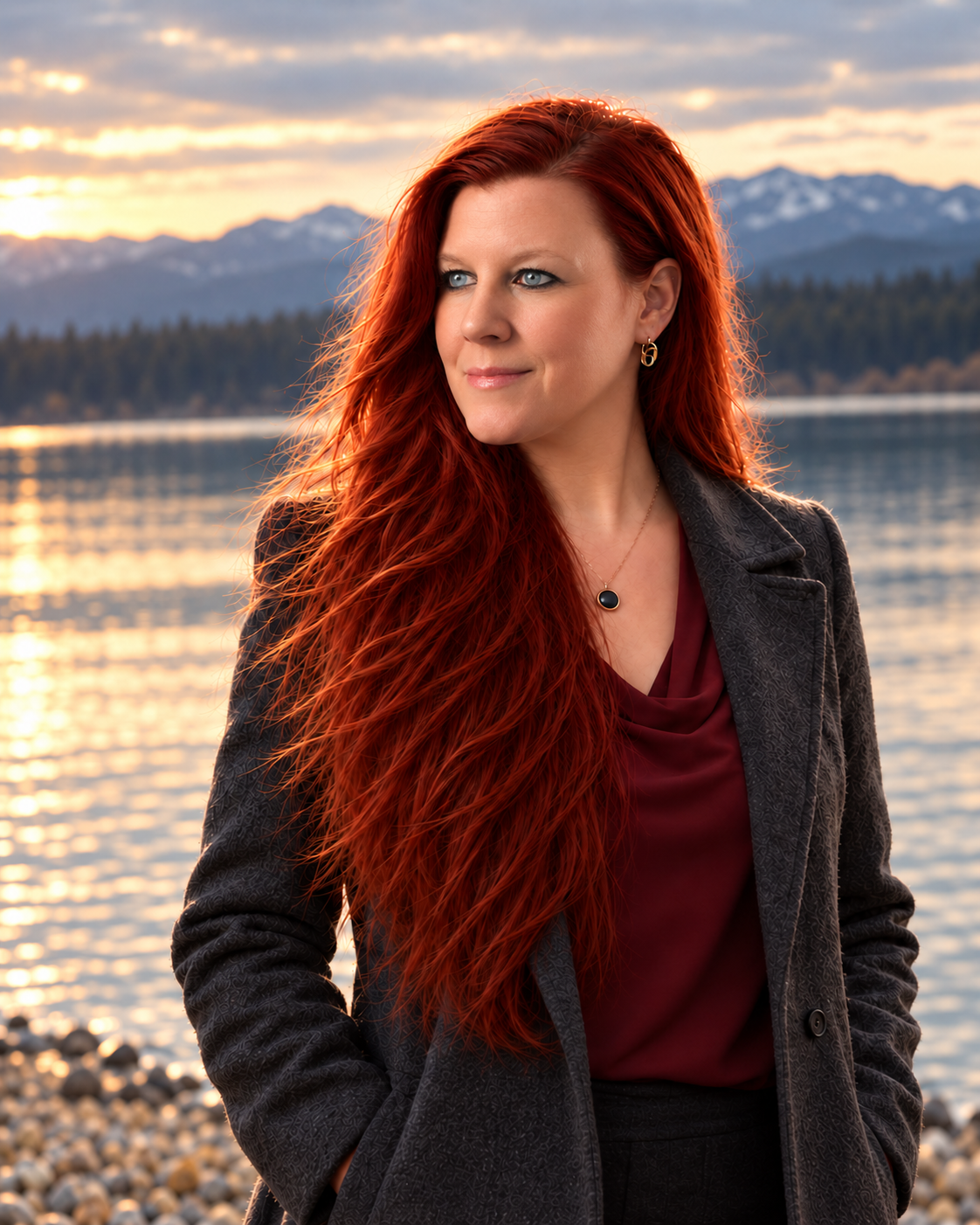
Dr. Krista Fee is a trauma and crisis practitioner, strategic transformation specialist, coach, educator, three-time international bestselling author and award-winning speaker and trainer.
Her work brings together psychology, trauma-informed practice, nervous-system awareness, behavior change, accountability, relationship skills, crisis experience and the practical realities of rebuilding a life after something has changed it.
Mission Possible reflects years of working beside people whose needs continued beyond the immediate crisis. Sustaining change calls for routines, relationships, identity, skills and a sense of purpose that can carry that change into everyday life.
Krista created Mission Possible around that larger work. Her approach brings honest information, respect for each person’s dignity, meaningful accountability and practical tools into the moments when insight needs to become action.
Her purpose is to help people develop the awareness, skills and structure needed to make informed choices about the life they are building.
Mission Possible is designed for adults age 18 and older who are working on recovery or learning how to support someone they love while maintaining their own stability. Grief, loss and significant change are addressed as part of that recovery and rebuilding work.
Each participant needs an individual adult account. Course progress, community participation, completion records, certificates and IACET CEU documentation belong to that individual member.
No. You may participate based on the recovery, change or rebuilding work you are ready to do. You choose how you describe your experience.
Mission Possible welcomes multiple responsible recovery pathways. You may define appropriate recovery and rebuilding goals, with qualified medical or clinical guidance when needed. There is no universal abstinence requirement; everyone must be sober and unimpaired during live community and private sessions.
Members may also participate in therapy, medical care, treatment, recovery fellowships, spiritual communities, coaching or peer support. Mission Possible can sit alongside individualized professional support, helping you apply what you are learning to daily life.
No. Mission Possible provides nonclinical recovery education, coaching, consulting and community support. Coaching and consulting are not therapy or clinical counseling and do not diagnose, treat, cure or prescribe for any psychological, psychiatric or medical condition.
Participation does not replace psychotherapy, licensed counseling, medical care, addiction treatment, medication management or other services provided by appropriately qualified professionals.
Mission Possible can sit alongside individualized professional support, helping you apply practical tools, strengthen daily routines and relationships, and make informed choices about the life you are building.
Mission Possible provides nonclinical recovery education and support: structured learning, practical tools, guided reflection, community connection and private coaching when included in your offer.
Medical detoxification, diagnosis, psychotherapy, psychiatric treatment, medication management and legal advice belong with appropriately qualified professionals. Mission Possible can complement that care. RISEUP Phoenix may recommend or require specialized evaluation or support when your needs call for it.
Live facilitated community sessions take place every Thursday from 12:15 to 12:45 p.m. Central. The focused teaching or demonstration portion is recorded and added to the member resource library.
Recording stops before personal sharing, member questions and facilitated discussion. Members receive clear notice when recording starts and stops.
Personal disclosure is always voluntary. You can participate in education, reflection and skills practice while choosing what you wish to share.
Members agree to protect one another’s privacy and keep identifying information, personal stories and community content within the program. Speak from your own experience and respect each person’s choices and autonomy.
Community participation does not carry a guarantee of legally protected confidentiality. Choose thoughtfully what to share, and discuss information requiring protected confidentiality with an appropriate licensed professional. Members may not diagnose, monitor or pressure one another, or assume responsibility for another member’s choices.
Yes. Each adult needs a separate membership and participates for their own work. The community may not be used to monitor, confront, report on or disclose another person’s participation or sharing.
Participants must be sober and unimpaired during every live community session and every private session. If a participant arrives intoxicated or the facilitator reasonably suspects impairment, they may not participate. They will be removed from the live community session and contacted privately with appropriate safety guidance or resources.
A private session attended while intoxicated or impaired is forfeited and cannot be rescheduled, credited or refunded.
A setback outside a session does not automatically end your membership. When you return sober and able to participate safely, you may use the program to review what happened, strengthen safeguards, reconnect with support and identify appropriate next steps.
Qualified medical, clinical, treatment or emergency support may be recommended when your needs extend beyond the program’s scope.
Yes. Both annual membership at $970 and the twelve-month commitment at $97 per month include all 26 lessons as a member gift. You can begin as soon as you enroll. The course is also available on its own for $497.
Course-only purchasers and annual members receive immediate lifetime course access. Personal Rebuild includes immediate lifetime course access with either payment option.
Twelve-month members receive the complete course immediately and earn lifetime course ownership after all twelve contracted payments are completed. Course and community access remain active while payments remain current.
Annual membership renews automatically with advance notice. Cancellation stops the next annual renewal and does not create a partial refund for the current year.
The twelve-month membership is a payment contract. All twelve payments remain due if participation stops or cancellation is requested before the contract is complete.
Membership, course and Personal Rebuild purchases are nonrefundable once access has been provided. Review your offer, agreement and checkout terms before purchasing.
A missed payment may result in suspended access after the applicable grace period. Access may be restored when the account is brought current or otherwise resolved under the agreement.
Access may be terminated for a substantial violation of the membership agreement or community guidelines. Termination does not create a refund or remove remaining contractual payment obligations.
Personal Rebuild includes immediate lifetime access to the complete course, one full year of community membership and six private 60-minute sessions with Dr. Krista Fee. You have twelve months to use all six private sessions.
Choose $1,997 paid in full or six monthly payments of $347, totaling $2,082. Both options include immediate lifetime course access. The payment plan is a contract, and all six payments remain due if you stop using the package before the contract is complete.
Enrollment is limited to ten active Personal Rebuild clients across both payment options. When capacity is reached, the checkout will direct you to the waitlist.
Personal Rebuild sessions must be used within twelve months. At least 24 hours’ notice is required to reschedule without forfeiting the session. Sessions attended while intoxicated or impaired are forfeited without rescheduling, credit or refund.
A limited number of opportunities may be available when full tuition creates a genuine barrier. Availability, eligibility and timing vary. Reduced rates are discussed privately through the Supported Community Access inquiry.
Life After Change is the personal learning course. You may use fictional examples and keep your reflections private. For formal documentation, ask the Institute about the professional program before enrolling.
The DMV or driver licensing agency, court, employer, rehabilitation program or other requesting organization decides whether Mission Possible meets your specific requirement. Requirements vary by state, jurisdiction, organization and individual order.
You are responsible for confirming acceptance before enrolling for that purpose, preferably in writing. Ask the appropriate authority to review the program’s content, instructional hours, delivery format and any required provider or program approval.
IACET CEUs document continuing education. Acceptance of CEUs does not by itself establish approval for a mandated addiction-service, treatment or driver-education requirement. With your written authorization, RISEUP Phoenix may provide appropriate completion verification to your designated recipient.
Withdrawal from alcohol, benzodiazepines and some other substances can be medically dangerous. Speak with a qualified medical professional before making significant changes to substance use when withdrawal may be a concern. Withdrawal assessment and management require appropriate medical care. Severe or rapidly worsening symptoms require urgent medical help.
For a suspected overdose, severe withdrawal, immediate danger, risk of harm or another medical or psychiatric emergency, call 911 or your local emergency service.
In the United States, call or text 988 for crisis, emotional-distress or substance-use support. You can also visit the 988 Suicide & Crisis Lifeline. Mission Possible community spaces, private messages, email and coaching are not monitored emergency services.

Mission Possible offers several ways to access practical education, community support and guided help. Review the available options and choose the level of structure and support that fits where you are now.
If you are unsure which option is right for you, book a Compass Call. We will help you consider what you need, whether Mission Possible is an appropriate fit and which next step makes the most sense.